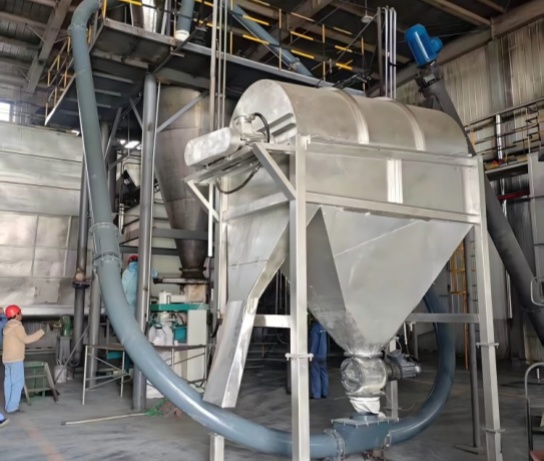
As the pet industry continues to grow rapidly, pet food manufacturers must focus not only on production efficiency but also on maintaining strict safety and sanitation standards. As a key component of the production line, the conveyor system directly affects product quality and compliance. Tubular drag conveyors, known for their enclosed design, gentle conveying, and easy cleaning, are becoming a preferred solution in pet food manufacturing.
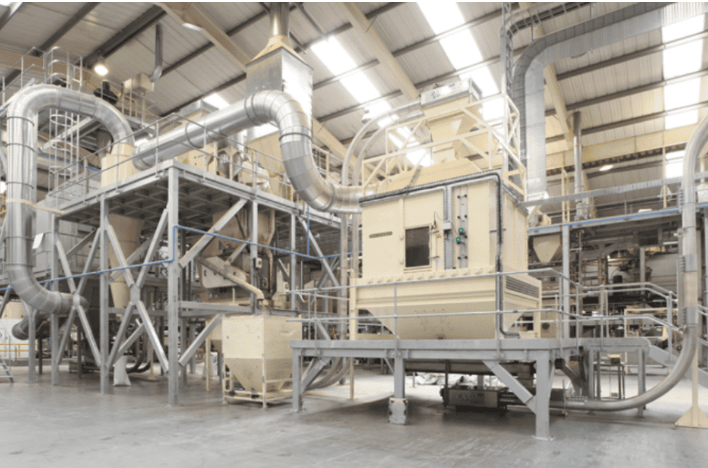
Like human food, pet food requires strict hygiene control. The pet food industry is growing nearly three times faster than the packaged food sector. As consumers pay more attention to pet health, any contamination, formulation errors, or product breakage can result in serious consequences.
1.Key Advantages of Tubular Drag Conveyors
Enclosed Design for Dust and Contamination Control
The enclosed tubular design prevents dust, insects, and contaminants from entering the system while minimizing product leakage and airborne particles—keeping the environment clean and controlled.
2.Gentle Handling to Prevent Product Damage
Compared with screw, bucket, or pneumatic systems, tubular drag conveyors move materials gently and steadily, minimizing product degradation or segregation and maintaining precise formulation integrity.
3.Easy Cleaning for Faster Product Changeovers
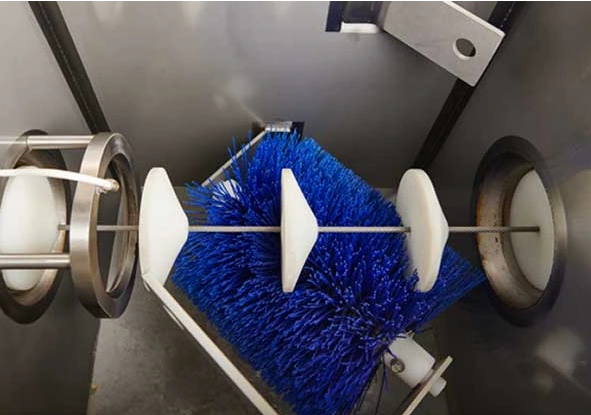
The system’s smooth, residue-free design allows quick cleaning using air knives, brush boxes, sponge discs, or wet wash cycles—ideal for multi-recipe or high-frequency production lines.
Addressing Key Challenges in Pet Food Production
| Challenge | Tubular Conveyor Solution |
|---|
| Product breakage or separation | Gentle, low-speed conveying minimizes friction and impact |
| Cross-contamination | Enclosed design with rapid cleaning options |
| Difficult cleaning | Supports both dry and wet cleaning with residue-free interiors |
| Regulatory compliance | Meets food-grade and FSMA sanitation standards |
For pet food manufacturers striving for premium quality and regulatory compliance, tubular drag conveyors represent more than an efficient transport system—they are a cornerstone of safe, sanitary, and sustainable production.
They protect product integrity, minimize contamination risks, and improve operational efficiency across the entire facility.